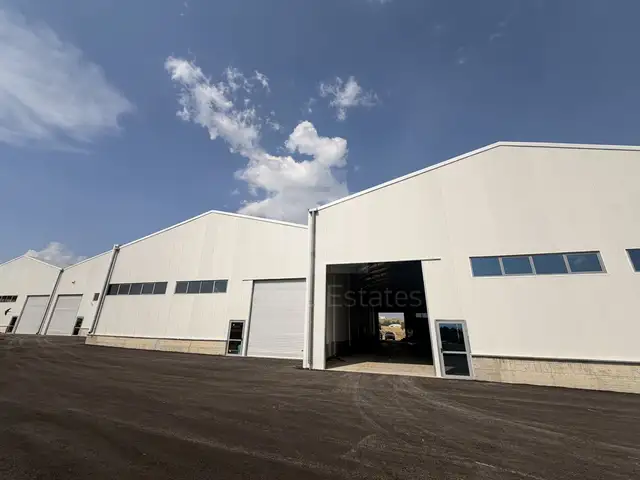
Protecting Stock: A Warehouse Owner's Guide to Pest Control in Nicosia
For warehouses, pest control isn’t just about comfort — it’s about protecting inventory, meeting supplier or insurance requirements, and avoiding losses that can quietly add up before anyone notices.
Why warehouses are especially vulnerable
Warehouses tend to have everything pests look for: large, quiet spaces with limited foot traffic, easy access points (loading docks, ventilation, gaps around large doors), and often stored food, packaging materials, or textiles that attract rodents and stored-product insects. In Nicosia specifically, warehouses near the outskirts of the city or industrial zones often border open land, which increases exposure to rodents moving in from the surrounding area.
Common pest risks in warehouse settings
- Rodents — attracted to stored food, cardboard, and insulation; capable of damaging both stock and structural wiring.
- Stored-product pests — weevils, moths, and beetles that specifically target grains, dried goods, and packaging materials.
- Birds — nesting in high rafters or loading dock areas, creating contamination risks below.
- Cockroaches — thriving in warm areas near loading docks, break rooms, or waste storage.
Why this matters beyond pest damage alone
If your warehouse stores goods for other businesses, or you supply retailers or food businesses, pest issues can affect contracts and insurance standing. Many supply agreements and insurance policies require documented pest control measures — an infestation discovered during an audit can mean lost contracts, not just lost stock.
What an effective warehouse pest control plan includes
- Perimeter management — sealing entry points, monitoring loading docks, and addressing any land or drainage issues bordering the property.
- Regular monitoring stations — placed strategically near storage areas, entry points, and waste zones, checked on a set schedule.
- Stock-safe treatment methods — especially important if food, pharmaceuticals, or sensitive materials are stored on-site.
- Audit-ready documentation — records of inspections and treatments that can be shown to clients, insurers, or auditors on request.
- Rapid response capability — because warehouses often can’t afford to wait days for treatment once an issue is spotted.
A practical first step
Even a single perimeter inspection can reveal a lot — entry points, existing activity, and areas at higher risk based on how the warehouse is used. It’s usually the easiest way to understand what a tailored plan should actually include before committing to a long-term contract.
Επικοινωνήστε μαζί μας σήμερα για μια δωρεάν εκτίμηση του προβλήματος σας!
Διαβάστε περισσότερα στο English Blog